
Well-Being First: When We Prioritize Joy, Connection, and Happiness, Skills Follow
Everyone has a different definition of wellbeing. For some, it means having time to themselves. For others, it means connecting with friends, playing sports, taking a walk, working on a puzzle, or simply having the freedom to talk about something they love.
Although wellbeing looks different for everyone, we can agree that experiencing joy, connection, and happiness is an important part of living a fulfilling life.
So why do we so often treat wellbeing as something that will happen eventually, rather than something we actively work to support?
Wellbeing Is More Than an Added Bonus

When supporting children and adults at school, at home, in the community, or in the workplace, we need to consider more than the skills we want them to develop. We need to think about their lived experiences, what brings them joy, and whether they feel connected, understood, and supported.
A recent Autism Wellbeing Survey conducted by Proof Positive found that autistic individuals, their families, and their providers all place significant value on wellbeing. Notably, autistic individuals rated wellbeing as a higher priority than skill development.
This finding encourages us to reconsider how we define progress. Are we focusing so heavily on what someone needs to learn or accomplish that we overlook how they are experiencing their lives right now? Skill development matters, but it should not come at the expense of wellbeing. In fact, when individuals feel supported, connected, and engaged, we create opportunities for meaningful learning and growth.
Well-being is not something we should postpone until the goals are met. It deserves to be a priority in the present.
What Does Supporting Wellbeing Look Like?
Supporting wellbeing does not always require a complicated plan or a major change. Oftentimes, it begins with understanding the individual and making space for the things that matter to them. We need to talk with them directly or observe what they gravitate towards to find out what is most meaningful to them.
Consider the opportunities we can create for children, colleagues, family members, and ourselves:
Making time for joy. This might mean playing a game, participating in a favorite activity, listening to music, playing a sport, or spending time on a personal interest.
Honoring individual needs. Some people find wellbeing through social connection, while others need quiet time, space, or opportunities to recharge. We should make room for both.
Building meaningful relationships. Feeling connected to others, being listened to, and knowing that our interests and perspectives matter can have a meaningful impact on our wellbeing.
Creating opportunities for choice. Allowing individuals to decide what they want to do, what they want to discuss, and how they want to spend their time helps ensure that their experiences reflect their preferences.
Making room for genuine engagement. Rather than focusing exclusively on completing tasks or meeting expectations, we can look for opportunities to participate in activities that feel meaningful and enjoyable.
These moments might seem small, but they can shape how individuals experience their day, their relationships, and their environments.

When Wellbeing Comes First, Growth Can Follow
As educators, providers, caregivers, and colleagues, it is easy to become focused on measurable outcomes. We identify goals, develop plans, track progress, and work hard to help individuals build new skills.
But we also need to ask ourselves: Are we creating opportunities for people to experience joy along the way?
When we prioritize wellbeing, we shift our focus from simply asking what someone can do to considering how they feel, what matters to them, and whether they have opportunities to experience a fulfilling life.
This does not mean abandoning skill development. Instead, it means recognizing that meaningful growth and wellbeing can support one another.
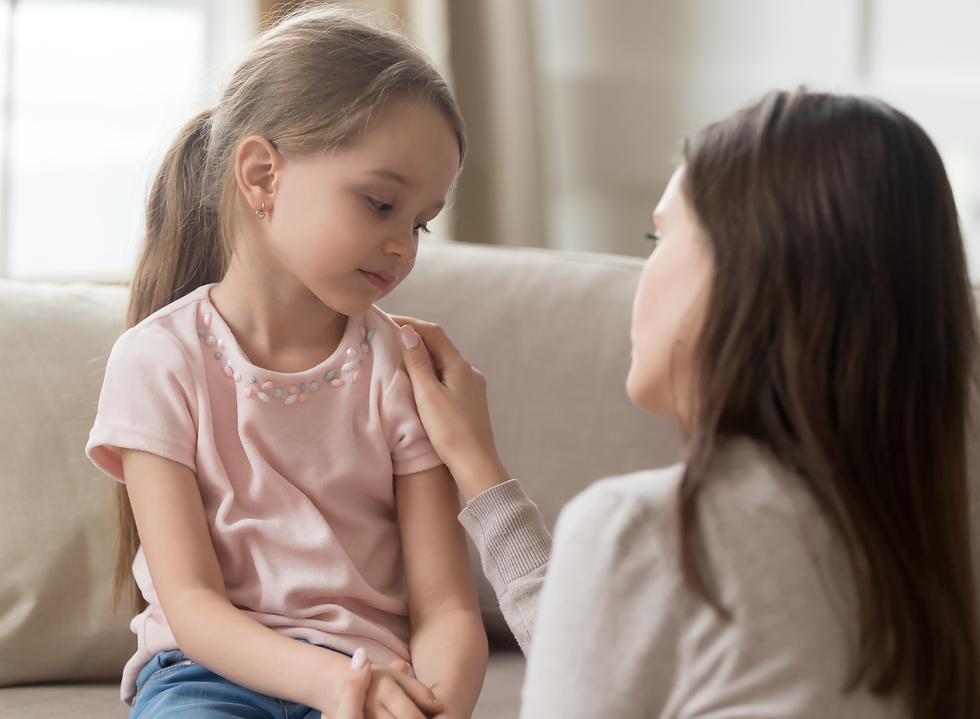
A child who has opportunities to connect with others, explore their interests, and feel understood is being supported as a whole person, not simply as someone working toward the next goal. The same is true for adults. Our own wellbeing, as well as that of our colleagues and families, deserves attention. We cannot assume that happiness, connection, and fulfillment will simply appear when everything else is finished.
Let's Make Wellbeing an Intentional Priority
Wellbeing should not be something we hope to achieve someday. It should be something we intentionally support every day. Let's move beyond simply talking about wellbeing and make it a meaningful part of our everyday practice.

Because when we support wellbeing, we create more opportunities for ourselves, our children, our colleagues, our families, and our communities to feel happier, more fulfilled, more connected, and more joyful.


Comments